Professional Flea Control
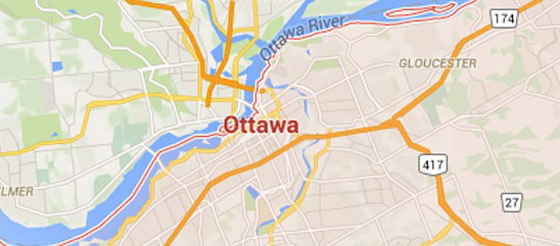
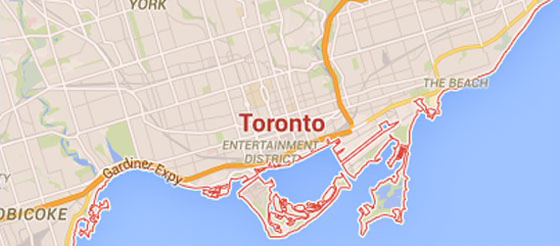
Essen Pest Control offers professional Fleas control, treatment & removal services in Ottawa, Toronto, and neighbouring cities. We are a government-approved flea and pest control company. If you are facing an infestation, we recommend you seek professional flea removal services from Essen Pest Control to get rid of them.
Why choose Essen Pest Control?
- Essen Pest Control is a trustworthy name in residential and commercial flea control for over 21 years.
- Government approved, licensed, insured, and bonded pest control company.
- Fully trained and experienced professionals who attend to your needs effectively.
- Quality service and affordable pricing.
Schedule a home inspection now. Call 613 804 7378
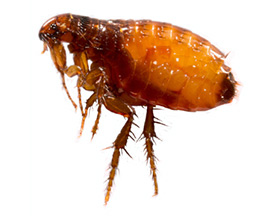
PEST INFO: FLEASThe majority of flea infestations occur in homes with pets, but they can also be a problem in homes without. Fleas can live outside and may be picked up and brought indoors by a pet or even on your pant-leg or shoes. Fleas can bite almost any animal as well as humans. Aside from the often itchy bite of a flea, they can cause allergic reactions and transmit disease, including the dog tapeworm which can also infect children. Cat fleas — the most commonly encountered fleas — are small, wingless insects, about 2.5 mm in length, and are reddish-brown to dark brown in colour. Fleas are excellent jumpers, capable of leaping as high as 20 cm.
Fleas have a four-stage life cycle: egg, larva, pupa, and adult. Females lay their eggs on the host, which fall off and hatch in one to twelve days. Females can lay up to 500 eggs during their lifetime. Upon hatching, flea larvae migrate to dark, undisturbed areas such as under baseboards. The larvae feed on partially digested blood, called flea dirt, and other organic material. This stage usually lasts one to three weeks. After spinning a cocoon, the larvae enter the pupal stage and will normally emerge within five days to two weeks. Emergence from the pupa stage is thought to be triggered by vibrations or carbon dioxide produced by humans or animals. With no activity in a home, fleas can remain in the pupal stage for months.
Fleas are major pests of cats and dogs, which means these blood-sucking creatures can be easily brought into homes. With their fast reproduction, flea infestations can quickly spiral out of control, and pets and their owners must deal with the itchy bites. There are over 2,000 flea species throughout the world.
Flea eggs are small, oval shaped and pearl white in colour and are laid in variety of locations such as the fur or feathers of the host or in its bedding or resting material. The eggs hatch in about one week into bristly, legless larvae - approximately 1–5 mm long - which thrive in dark, humid places such as carpets and animal bedding. After a couple of weeks the larvae are approximately 5 mm long and will begin to spin cocoons in which they pupate. The complete life cycle will normally last four weeks but may take longer at low temperatures.
Fleas infest both household pets and wild animals like opossums, raccoons, and skunks. They can also be found on shoes, pant legs, or blankets, which can transfer the fleas to new environments.
PROBLEMS OF FLEASFleas are among the most common transmitters of the rare bubonic plague. They can also transmit the bacterial disease murine typhus to humans through infected rats. Their saliva can cause serious flea-allergy dermatitis in pets, and their debris has been reported to cause similar allergic reactions in humans. Fleas can also transfer tapeworms and cause anemia in pets, which is why active flea management is an important component of pet care. Flea bites commonly cause painful, itchy red bumps.
HOW TO GET RID OF FLEASControlling a flea infestation requires treating your pets, the inside of your home, and flea activity sites outside — all at the same time. To treat pets, consult your veterinarian and follow the instructions of the recommended flea-control product. Prior to a professional flea treatment inside your home, items need to be removed from the floors and clutter needs to be reduced to eliminate potential harborage areas for fleas to hide. Running a vacuum over as many floor surfaces as possible will “activate” any eggs that are dormant, making the treatment more effective.
Carefully discarding the vacuum bag after use will prevent captured fleas from spreading throughout the house. Wash and dry pet bedding on high heat, or replace it. We advise not to use flea bombs or over-the-counter fumigant cans to treat fleas yourself, as this can actually make them spread worse and could be a hazard to your health.
Some flea cases call for a professional. Even if you've been vigilant in flea control and prevention on pets, in your home, and around your property, a flea infestation can still occur. A professional exterminator will conduct a thorough inspection of your home to identify areas of infestation and provide you with pest-control options and recommendations to get rid of fleas and ticks and prevent them from coming back. Routine pest control, either on a quarterly or monthly basis, will also help reduce the chances of a flea infestation developing.
If you do use insecticides or flea-control products, make sure you carefully follow the instructions for use. To ensure the most effective pest control however contact a reputable pest control company like Essen Pest Control. Our services:
- Bed Bugs Extermination/Control
- Mice Control/Extermination
- Ant Treatments/Control Services
- Cockroach Control & Removal
- Expert Termite Control
- Professional Raccoons Removal
ON call 613 804 7378 now!